Confirm a clear line to the work
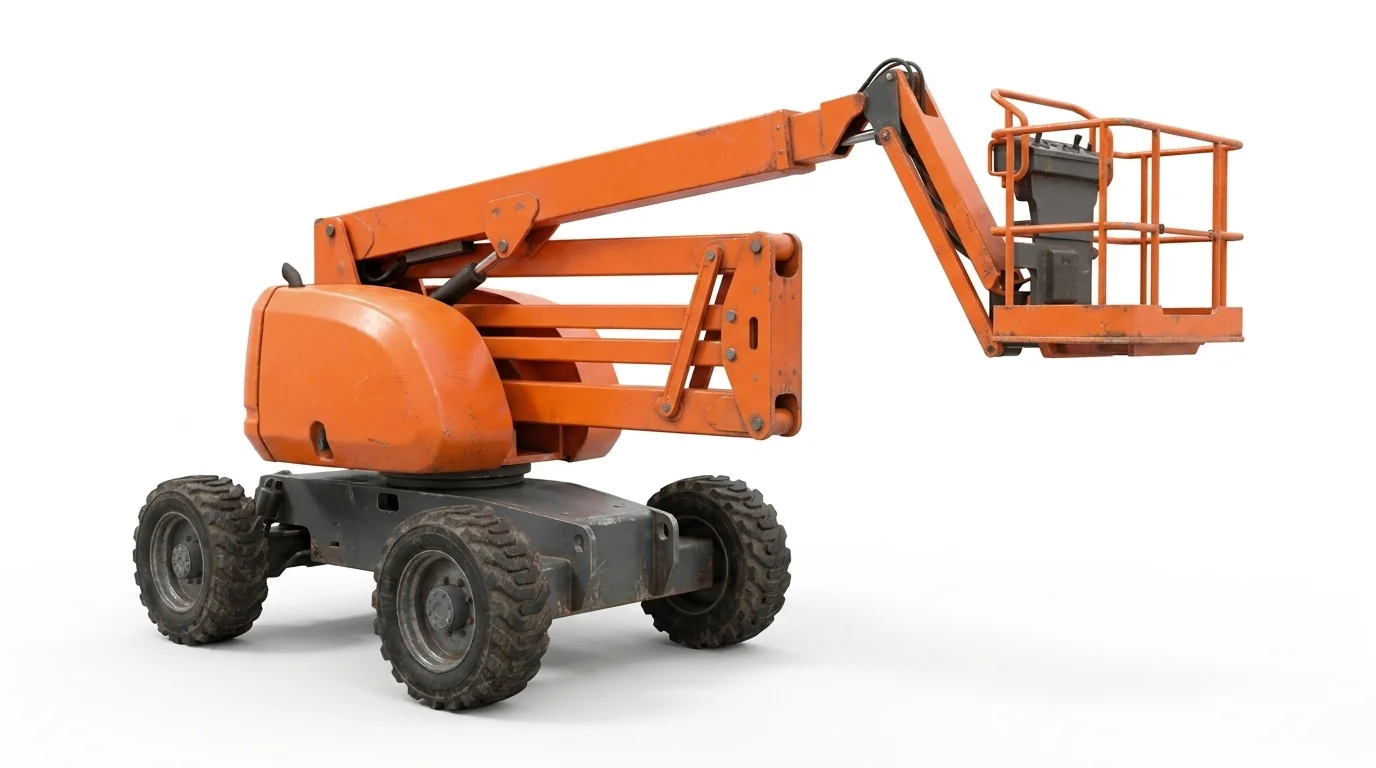
- Minimal overhead obstacles and limited need to reposition around corners favor a straight boom.
- If you must reach over a parapet from a setback, verify whether the machine can park far enough back to keep outriggers or tires on competent ground while still making the reach.
Roanoke terrain and weather considerations
- Sloped approaches from mountain grades and saturated soils after rain can reduce safe staging options. Models with higher ground clearance and rough‑terrain tires expand where you can park.
- Winds are channeled by valley corridors; understanding local exposure at height helps set realistic working windows per unit instructions and site rules.
Measurements that narrow the class
- Horizontal reach to the target and required working height at that reach.
- Setback distance from the building line where you can actually stand the machine on stable surface.
- Access route width, turning radius, and curb cuts from street to staging area.
- Ground bearing capacity for exterior pads or interior slabs if driving inside a taller bay.
Typical Roanoke applications
- Exterior steel, signage, lighting, and façade work along broad frontages at industrial sites.
- Tall-bay tasks where the machine can sit in a straight aisle without weaving through equipment.
When another lift is a better fit
- If the work sits behind conveyors, canopies, or pipe bridges, an articulating boom’s up-and-over path is more practical. See /articulating-boom-lift-rental/.
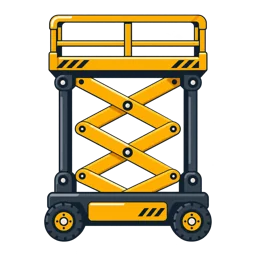
- Vertical-only indoor service with smooth floors may be faster on a scissor platform. See /electric-scissor-lift-rental/.
Actual site conditions, the selected unit’s instructions, and facility procedures govern elevated work.
Related planning links
- /boom-lift-rental/
- /aerial-lift-rental/
- /rough-terrain-scissor-lift-rental/