Define the heaviest realistic pick
- Identify the maximum load weight, its dimensions, and where the center of gravity sits on the forks or carriage.
- Note the farthest horizontal setback you’ll place at, such as reaching over a foundation, landscaping, or stored materials.
Local ground and approach factors
- Hilly approaches common in the region can reduce effective reach if the machine must sit lower than the set point.
- Soft or rutted ground after rainfall pushes you toward rough‑terrain tires and models with greater ground clearance; interior transitions require attention to slab ratings and door widths.
Capacity charts rule the comparison
- Rated capacity drops as boom extends and raises. Matching the load to the chart at the intended boom angle and extension narrows the model class quickly.
- Side tilt, frame leveling, and stabilizer options affect what you can accomplish on uneven staging areas found near cut-and-fill sites.
Forks, carriages, and attachments context
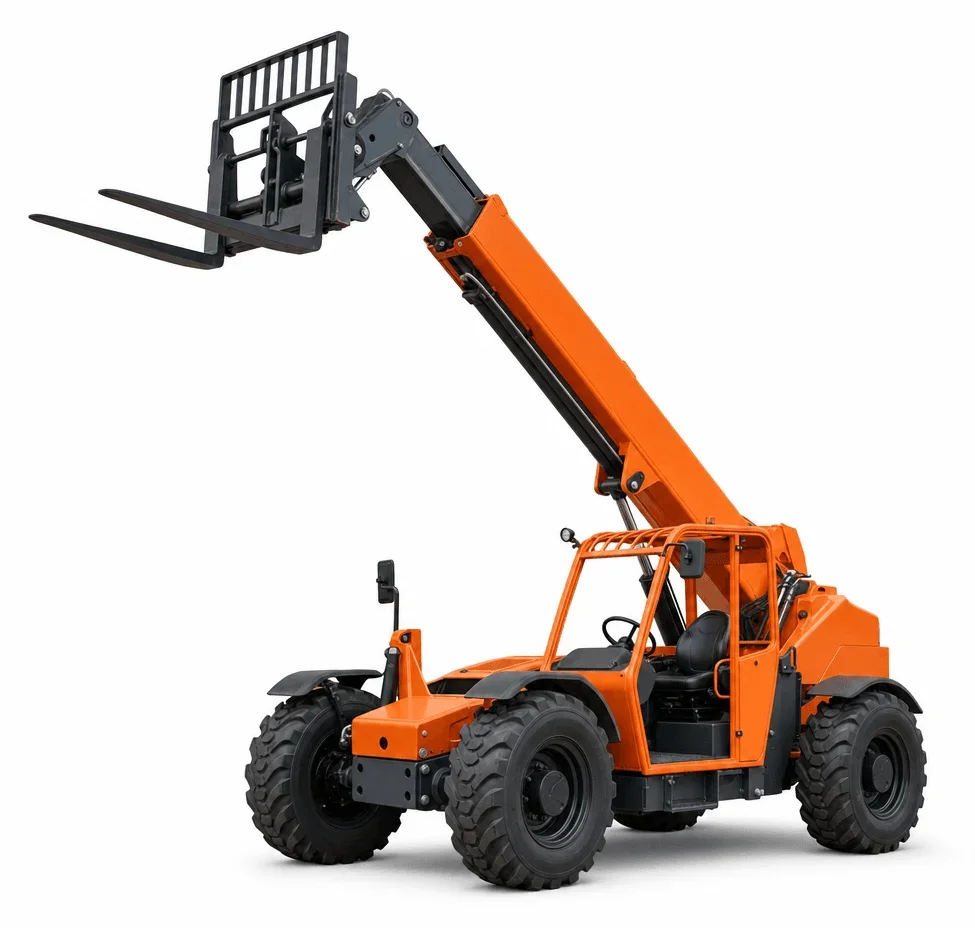
- Pallet forks handle most bundled materials. Truss-style and side-shift carriages can help with exact placement, but attachment weight changes the chart. Plan for that in your model selection rather than assuming nominal capacity.
Common Roanoke use patterns
- Material shuttling across sloped yards at industrial sites.
- Setting rooftop units or platform loads where cranes are impractical due to access constraints.
When another machine fits better
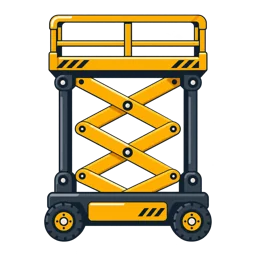
- Pure vertical access for people, tools, and light materials may be faster with a scissor or boom. See /electric-scissor-lift-rental/ or /articulating-boom-lift-rental/.
- Tight interior aisles with polished floors favor forklifts. See /forklift-rental/.
Actual site conditions, the selected unit’s instructions, and site procedures govern lifting work.
Related planning links
- /storage-containers-rental/
- /temporary-fencing-barricades-rental/