Start with placement and run profile
- Can the unit sit below the task or at grade with it?
- Is the power draw peaky (tools cycling) or steady (IT loads, lighting banks)?
- Will the set remain stationary, or relocate multiple times across a sloped lot?
Indoor service areas around logistics and healthcare facilities often need quiet, emissions-free power at floor level with limited ventilation. Outdoor work near the foothills brings soft soils after rain and seasonal freeze-thaw, so wheel stance, ground clearance, and overall weight matter as much as power rating.
Surface, slope, and access in Roanoke
Hilly sites around Roanoke, VA create approach angles and side slopes that can exceed small towable gear. Before comparing models, note: - Maximum slope on travel and parking spots. - Surface type: slab, compacted gravel, or saturated soils. - Turning radius along access routes, especially near retaining walls or drainage swales.
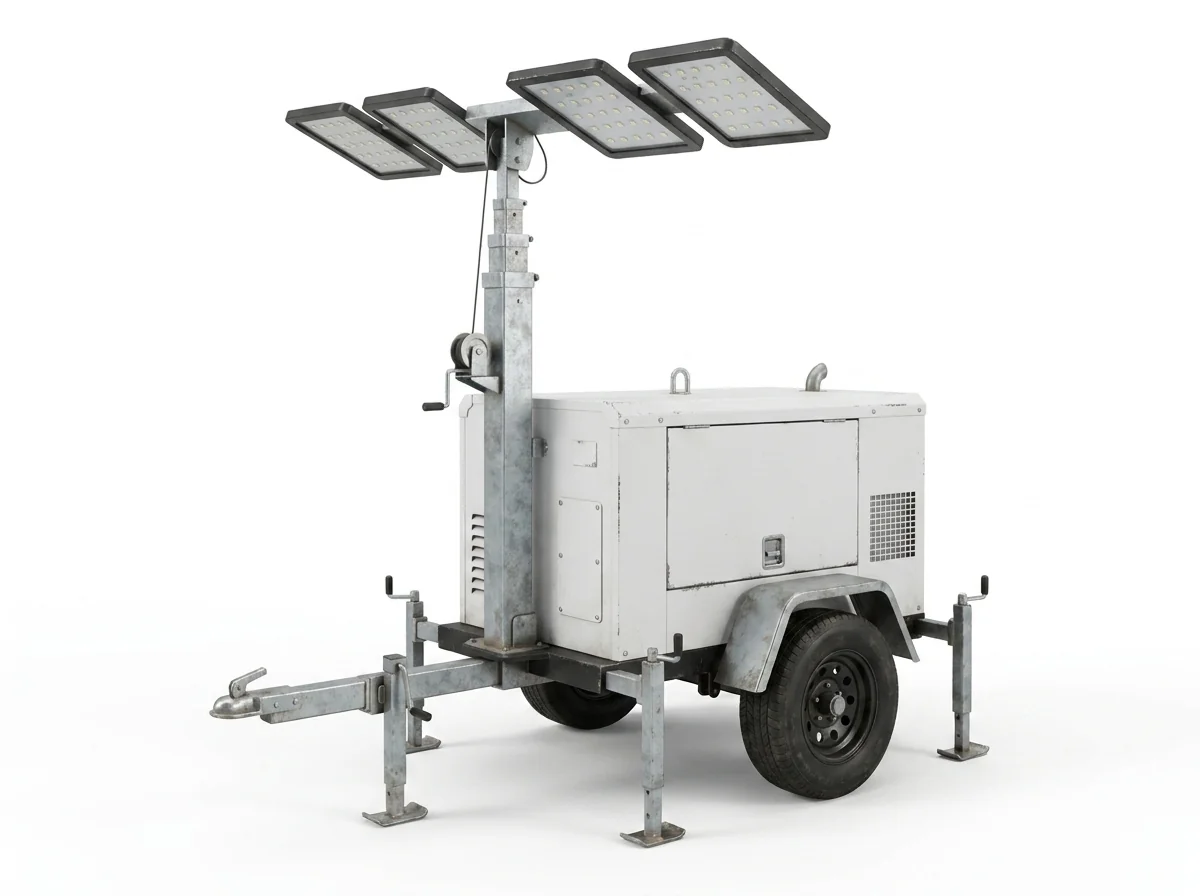
Rough-terrain light towers with wider tires and outriggers handle uneven ground better than slab-oriented units. For generators, larger frames spread ground pressure but require more room to maneuver.
Power and lighting geometry
- Power: List starting and running loads, distance to distribution panel, and cord routing. Long cable runs add voltage drop that may steer you up a class.
- Lighting: Define mounting height, spill concerns, and throw distance. Indoor high-bay maintenance favors elevated fixtures from lifts; outdoor yards need mast height and head adjustability to reduce shadows on sloped grades.
If illumination must originate from below catwalks or mezzanines, confirm mast height and ability to aim across obstructions. When lights must reach across active drive lanes in local distribution buildings, mast rotation and boom clearance become planning factors.
Weather and runtime
The regional climate brings frequent wet periods. Moisture and cold starts affect generator derating and light head performance. Long winter nights may require extended runtime and fuel logistics. Note expected shift length, refuel windows, and noise limits near residential edges of mixed-use corridors.
Related lift access
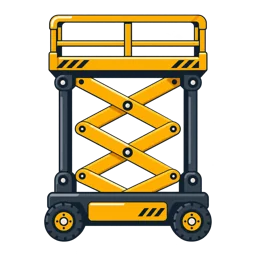
When light heads must be focused at elevation or fixtures swapped indoors, pair site lighting with: - Electric slab units for clean slab work: /electric-scissor-lift-rental/ - Rough-terrain scissor lifts for uneven yards: /rough-terrain-scissor-lift-rental/ - For targeting or fixture changes beyond straight up, consider: /articulating-boom-lift-rental/ or /vertical-mast-lift-rental/
Call preparation checklist
Bring site photos, slope estimates, surface notes, required receptacles, target foot-candles, and any site noise or emissions limits. In exterior or elevated work, actual conditions, the selected unit’s instructions, and site procedures govern.