Articulating vs. telescopic
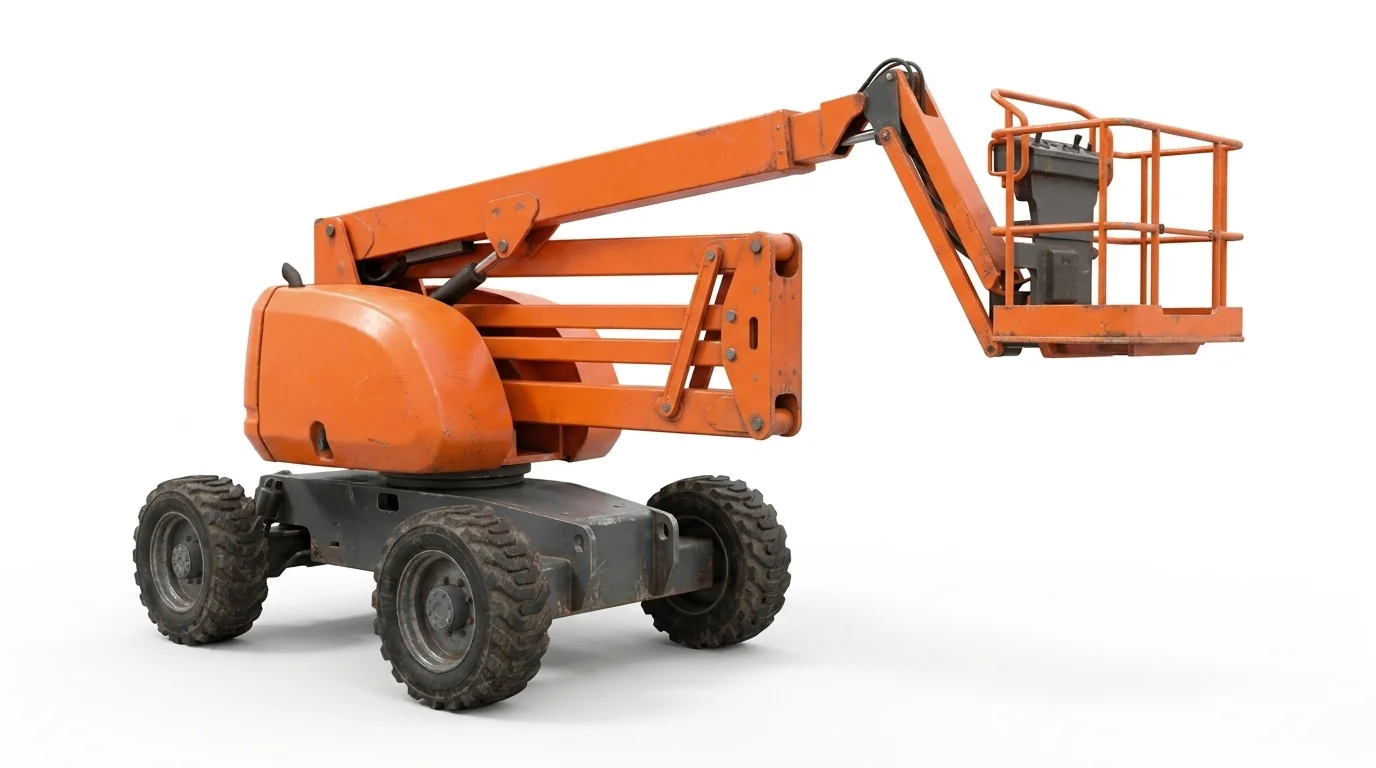
- Articulating booms: Multiple joints navigate around piping, parapets, and trees. Useful in tight service courts and irregular façades.
- Telescopic booms: Extend in a straight line for greater horizontal reach where there’s room to set back from the structure.
Local terrain and surface impacts
Hilly ground and occasional soft soil after wet weather affect setup points and travel lanes. Verify the steepest grade and the firmness of access routes when selecting a boom type and size.
Measurements that set the boom size
- Vertical reach: The work elevation from ground level.
- Horizontal reach: Setback from the workable setup point to the target.
- Envelope clearance: Overhead lines, canopies, and trees can dictate an articulating model even when the raw reach looks sufficient.
- Width and tail swing: Gate widths and tight corners in older sites may limit machine size.
When a scissor lift is a better fit
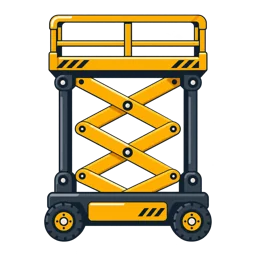
If the platform can sit directly under the task on a stable surface, a scissor lift may be more efficient. Compare at /aerial-lift-rental/ or see /electric-scissor-lift-rental/ and /rough-terrain-scissor-lift-rental/.
Coordinating with other site needs
Boom work often pairs with material handling for staging. For complementary categories, see /telehandler-rental/ or /forklift-rental/ if those routes are part of your project planning.
Actual conditions, the selected unit’s instructions, and site procedures govern any elevated work in Roanoke, VA.