Define the reach path first
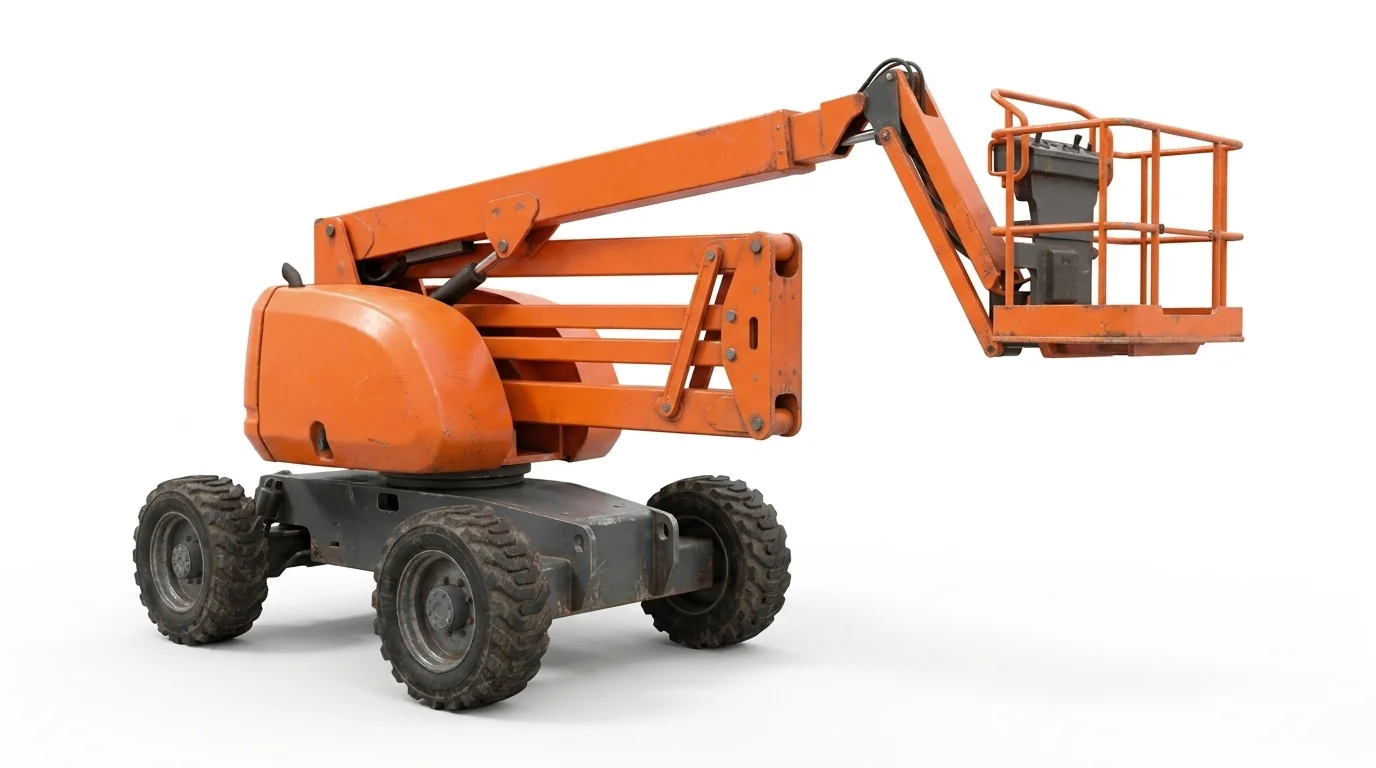
- Can the machine sit below the task and swing up through obstructions? If ducts, mezzanines, or canopies block a straight line, an articulating jib with sufficient up-and-over reach narrows the choices.
- Will you need to tuck in close to walls or around columns common in local distribution buildings? Tight tailswing and zero-turn options help inside aisles.
How Roanoke conditions change the comparison
- Hilly grades around job entrances and service courts push gradeability and oscillating axles higher on the list for exterior work.
- After rain or snowmelt, soft soils near loading ramps and landscaped edges make rough-terrain tires or outriggers relevant. For sealed floors in hospitals or data facilities, electric units with non-marking tires reduce floor impact and emissions.
Measurements that narrow the lift class
- Vertical clearance to the first obstruction: confirms whether a standard knuckle can rise, then extend, without tagging overhead elements.
- Horizontal offset from the machine to the work point: sets the required outreach at working height.
- Aisle width and doorway size from the staging area to the work zone: determines whether a compact electric knuckle fits interior routes.
- Floor rating or ground bearing capacity: heavier rough-terrain models may exceed interior slab limits; lighter electrics trade platform capacity for access.
Typical Roanoke use patterns
- High-bay maintenance in regional logistics and healthcare buildings often favors compact electric articulating booms for quiet, fume-free work.
- Exterior façade, signage, and canopy repairs along sloped approaches lean toward rough-terrain articulating models with better approach angles.
When a different category fits better
- Long, unobstructed exterior reaches to a single point often suit a straight boom. See /telescopic-boom-lift-rental/.
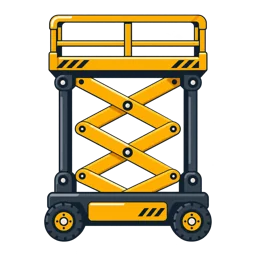
- Vertical, slab-only tasks inside with no overhang are usually faster with a scissor platform. See /electric-scissor-lift-rental/.
Planning add-ons and site flow
- Power availability inside secure facilities affects whether onboard AC power or external cords make sense.
- Material handling needs may require a separate unit for placement before access work; see /telehandler-rental/ for staging.
Actual site conditions, the selected unit’s instructions, and facility procedures govern elevated work.
Related categories
- /boom-lift-rental/
- /aerial-lift-rental/
- /rough-terrain-scissor-lift-rental/
- /vertical-mast-lift-rental/