Start with the load and the route
- Maximum pallet or bundle weight and size set the base capacity.
- Pathway details—dock height, door width, ramp slope, and turning radius—decide whether a cushion-tire indoor truck or a pneumatic-tire yard truck is realistic.
Roanoke conditions that matter
- Aisles in local distribution buildings favor electric cushion‑tire forklifts with tight turning and zero emissions.
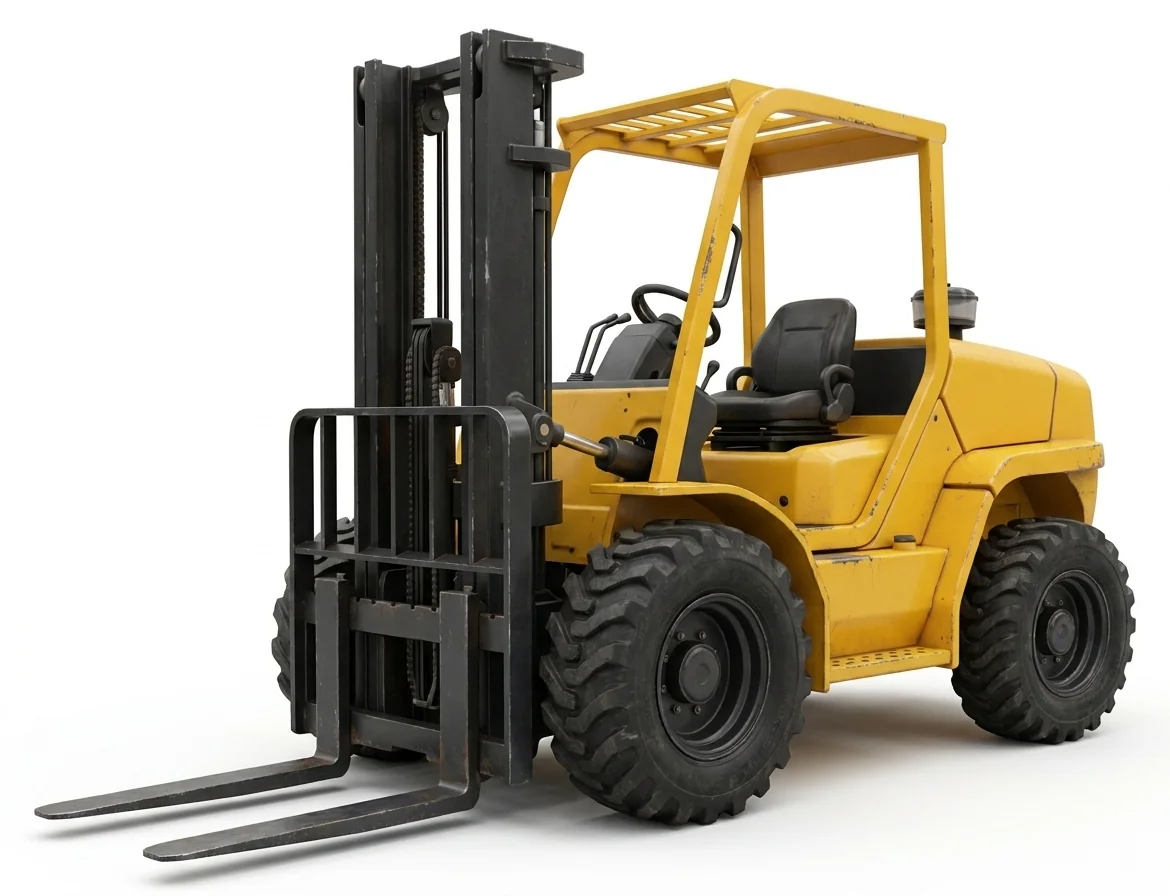
- Outdoor staging on sloped or damp gravel lots leans toward pneumatic‑tire or rough‑terrain forklifts with higher ground clearance and stability.
Floor and surface constraints
- Interior slabs may limit axle loads, especially under mezzanines. Non‑marking tires and electric power are often required in sensitive spaces.
- Yards softened by rain can bog down small pneumatics; consider larger diameter tires and wider stance if most work is outside.
Mast, carriage, and fuel considerations
- Required lift height at rated capacity determines mast stage and visibility needs.
- Side‑shift carriages improve placement tolerance in tight racks; attachment weight affects net capacity and should be considered in the model choice.
- Electric power suits enclosed, high‑bay areas; LP or diesel fits outdoor duty cycles and longer runs where charging access is limited.
When a different machine fits better
- Reaching onto elevated decks or over obstacles may call for a telehandler. See /telehandler-rental/.
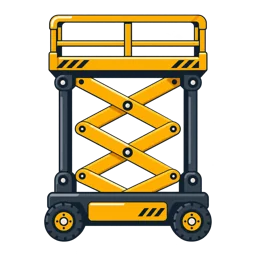
- Personnel access for maintenance is better handled by aerial lifts. See /aerial-lift-rental/.
Actual site conditions, the selected unit’s instructions, and facility procedures govern material handling.
Related planning links
- /storage-containers-rental/
- /temporary-fencing-barricades-rental/