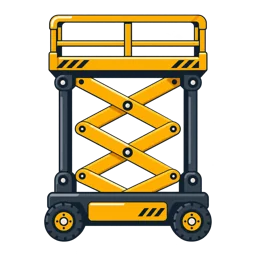
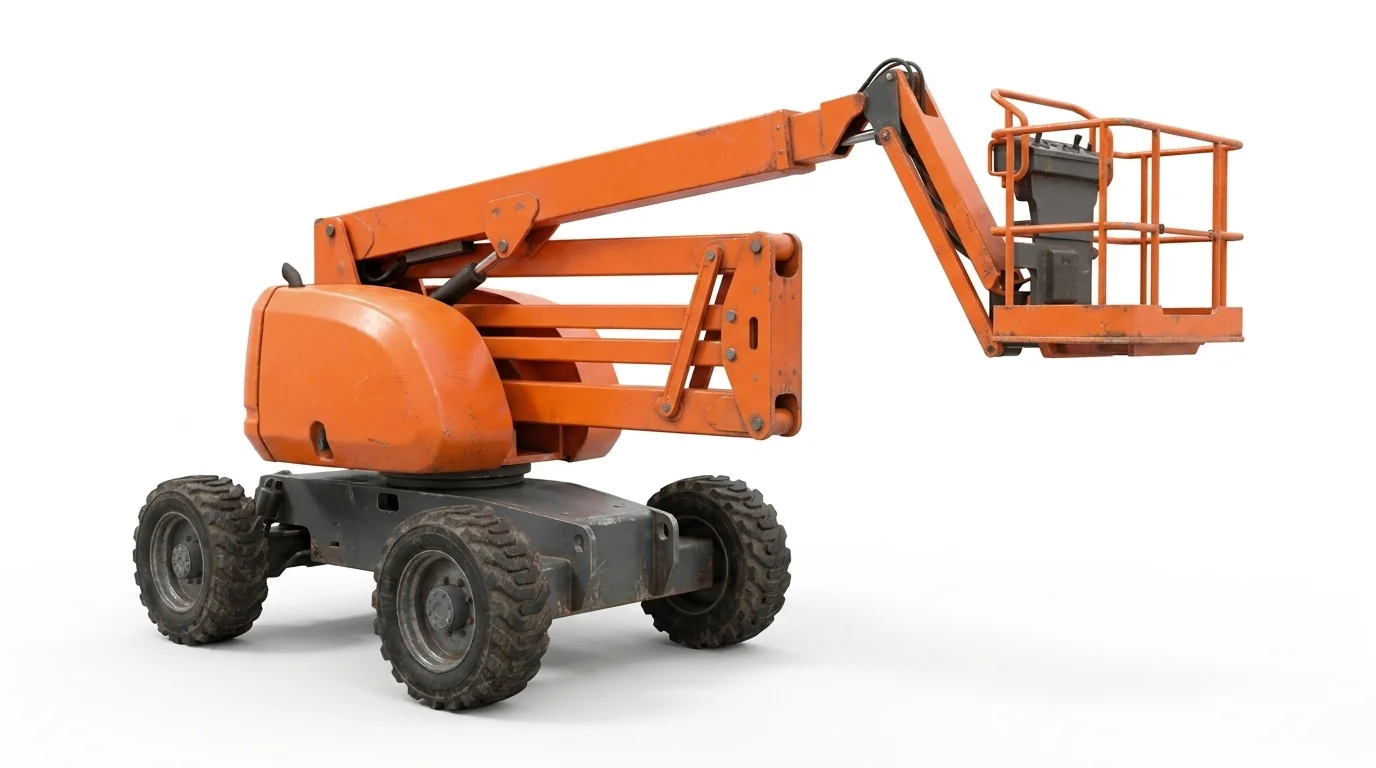
Scissor vs. boom at a glance
- Scissor lifts: Best when the platform can sit directly under the task on a surface that suits the machine. See /electric-scissor-lift-rental/ for interiors and /rough-terrain-scissor-lift-rental/ for unfinished or sloped exteriors.
- Articulating booms: Up-and-over geometry for work behind conveyors, canopies, or façade elements.
- Telescopic booms: Long, straight reach for set-back tasks and larger industrial sites.
Local conditions that influence choice
- Interiors across Roanoke: Smooth floors, emission limits, and door sizes steer many jobs to compact electric scissor lifts.
- Outdoor areas in the foothills: Grades and variable soil moisture favor rough-terrain scissors or booms with terrain capability.
Measurements that narrow the field
- Working height and setback: Determine elevation and horizontal distance from a safe setup point.
- Clearance and obstacles: Note overhead piping, racks, or trees that dictate articulating vs. telescopic geometry.
- Width and stowed height: Confirm doorways, gates, and overhead obstructions along the travel path.
Example decision paths
- Changing lighting in a high-bay interior with narrow aisles: Electric scissor lift.
- Servicing equipment pads behind a parapet with limited ground space: Articulating boom.
- Installing signage on a large, open pad with long setback: Telescopic boom.
Actual conditions, the selected unit’s instructions, and site procedures govern any elevated work in Roanoke, VA.
Explore specific categories: - Scissor lifts: /electric-scissor-lift-rental/ and /rough-terrain-scissor-lift-rental/ - Boom lifts: /boom-lift-rental/